

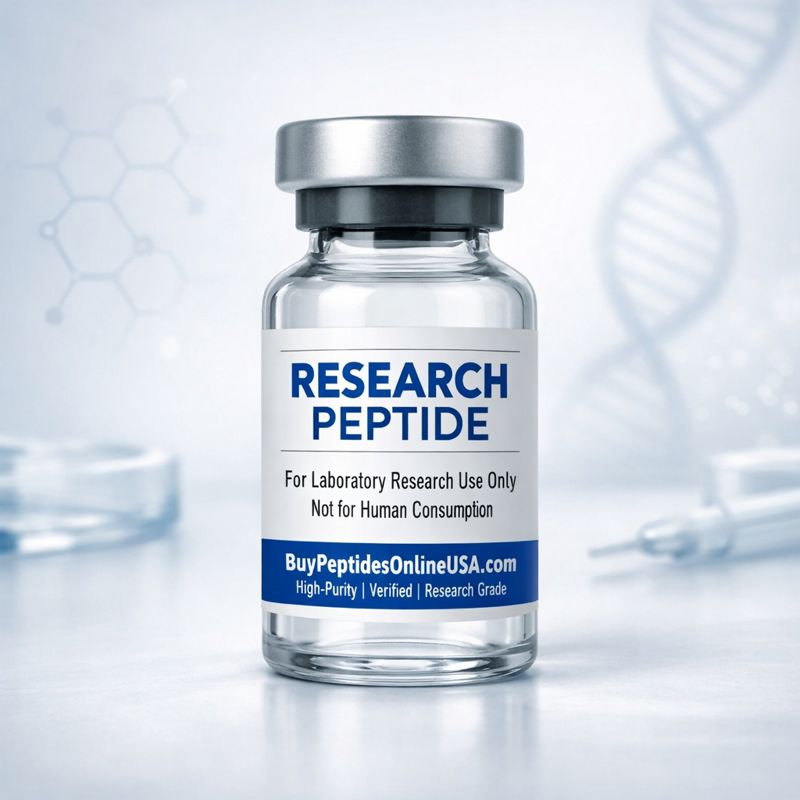
Melanostatin DM Peptide
$150.00
Premium Melanostatin DM Peptide for advanced pigment research! 🧬 This synthetic tripeptide features D-amino acid stability for melanogenesis studies. ≥98% purity, HPLC/MS verified, GMP manufactured—ideal for dermatology, hyperpigmentation, and cellular signaling research. 🇺🇸🔬
🧬 Melanostatin DM Peptide: Advanced Research Tool for Pigment Biology & Cellular Signaling
Welcome to the definitive technical resource for Melanostatin DM Peptide, a sophisticated synthetic tripeptide available exclusively for laboratory research at Buy Peptides Online USA. As the scientific community’s understanding of melanogenesis deepens, the demand for highly characterized, metabolically stable research compounds has never been greater. This peptide, distinguished by its strategic incorporation of D-amino acid residues, offers researchers a specialized tool for investigating the intricate molecular machinery governing melanin synthesis, melanocyte function, and pigmentary regulation.
At Buy Peptides Online USA, we bridge the gap between raw chemical synthesis and groundbreaking discovery. Every vial of Melanostatin DM we supply is accompanied by transparent, batch-specific analytical data, ensuring that your experimental variables are minimized and your focus remains on generating reproducible, publication-ready results. Whether your laboratory is exploring topical intervention strategies for dyspigmentation or fundamental G-protein coupled receptor signaling, this peptide warrants serious consideration for your research protocol.
📖 What is Melanostatin DM Peptide?
Melanostatin DM is a synthetic tripeptide amide characterized by the amino acid sequence D-Methionine-D-Phenylalanine-D-Arginine-NH₂. Its defining structural feature is the exclusive use of D-enantiomers of the constituent amino acids. This deliberate design choice confers significant resistance to proteolytic degradation compared to native L-amino acid peptides, resulting in substantially extended half-life in biological matrices and cell culture systems.
This peptide is categorized within a class of research compounds investigated for their potential to modulate melanocortin receptor pathways and downstream tyrosinase activity. Its primary research application centers on the study of melanogenesis—the biosynthetic pathway through which melanocytes produce eumelanin and pheomelanin. By introducing this stable peptide into carefully controlled in vitro models, researchers can observe alterations in pigment production, enzyme expression, and cellular signaling cascades without the confounding variable of rapid peptide metabolism.
It is imperative to understand that Melanostatin DM is supplied exclusively for non-human, in vitro laboratory experimentation. It is not a pharmaceutical, cosmetic ingredient, or dietary supplement, and is not intended for human or animal consumption, topical application, or clinical use.
⚗️ Peptide Structure & Comprehensive Specifications
The integrity of your research is directly proportional to the integrity of your reagents. Below is the complete technical profile for our Melanostatin DM Peptide, verified through independent analytical chemistry.
| Specification | Detail |
|---|---|
| Sequence (Three-Letter) | D-Met-D-Phe-D-Arg-NH₂ |
| Sequence (One-Letter) | (dM)(dF)(dR)-NH₂ |
| Molecular Formula | C₂₁H₃₄N₆O₄S |
| Molecular Weight | 466.60 g/mol |
| CAS Number | 106263-40-3 |
| PubChem CID | 132310 (related structure) |
| IUPAC Name | (2R)-2-[[(2R)-2-[[(2R)-2-amino-4-methylsulfanylbutanoyl]amino]-3-phenylpropanoyl]amino]-5-(diaminomethylideneamino)pentanamide |
| Synonyms | D-MFR-NH₂, MFR (D-isomer), Melanostatin DM, D-Met-D-Phe-D-Arg-NH₂, H-D-Met-D-Phe-D-Arg-NH₂ |
| Purity (by HPLC) | ≥ 98% |
| Solubility Profile | Soluble in water (moderate), DMSO (high), ethanol (moderate), PBS (pH 7.4) |
| Physical Appearance | White to off-white lyophilized (freeze-dried) powder |
| Storage Conditions (Lyophilized) | Store at ≤ -20°C (-4°F); desiccated; protected from light |
| Storage Conditions (Solution) | Aliquot and store at ≤ -20°C; avoid repeated freeze-thaw |
| Shelf Life | 24 months from date of receipt (unopened, stored at -20°C) |
| Quality Verification | Certificate of Analysis (COA) with High Performance Liquid Chromatography (HPLC) chromatogram and Mass Spectrometry (MS) spectra |
| Manufacturing Standard | GMP-compliant facilities; ISO 9001 guidelines |
| Intended Application | In vitro research use only; explicit prohibition of human/animal use |
🔬 How Does Melanostatin DM Work? Investigating Mechanisms of Action
Understanding the proposed mechanism of action for Melanostatin DM requires familiarity with the melanocortin system. While its specific molecular targets remain an active area of investigation, existing research literature suggests several plausible pathways warranting exploration:
1. Melanocortin 1 Receptor (MC1R) Modulation: The MC1R, expressed on the surface of melanocytes, is the primary regulator of eumelanin synthesis. When activated by α-melanocyte stimulating hormone (α-MSH), it initiates a cAMP/PKA signaling cascade that upregulates microphthalmia-associated transcription factor (MITF) and, subsequently, tyrosinase. Melanostatin DM is hypothesized to act as a partial agonist or antagonist at this receptor, potentially competing with endogenous ligands and modulating signal intensity.
2. Direct Tyrosinase Inhibition: Some structurally similar peptides have demonstrated capacity to interact directly with the tyrosinase enzyme, potentially chelating copper ions at the active site or inducing conformational changes that reduce catalytic efficiency.
3. Post-Receptor Signal Interruption: The peptide may influence downstream effectors such as MITF, reducing its transcriptional activity or stability, thereby decreasing expression of melanogenic enzymes.
4. Stability-Enhanced Bioavailability: The D-amino acid configuration allows researchers to study these potential interactions over extended time courses without rapid peptide degradation by aminopeptidases or carboxypeptidases present in culture systems.
Your research should be designed to test specific hypotheses regarding these or alternative mechanisms. Appropriate controls, including known agonists (e.g., α-MSH, forskolin) and antagonists (e.g., agouti signaling protein), are essential for mechanistic interpretation.
🧪 Typical Research Focuses & Primary Applications
Melanostatin DM serves as a versatile investigational agent across multiple domains of biomedical science. Its principal research applications include, but are not limited to:
🔬 Dermatological Science & Pigment Biology
- In vitro modeling of hyperpigmentary conditions (melasma, post-inflammatory hyperpigmentation, solar lentigines)
- Investigating negative regulators of melanogenesis for potential therapeutic translation
- Studying melanocyte response to environmental stressors (UV radiation, oxidative stress) in the presence of signaling peptides
- Comparative efficacy research against established depigmenting agents (kojic acid, hydroquinone, arbutin, azelaic acid)
🔬 Cellular & Molecular Endocrinology
- Melanocortin receptor pharmacology and ligand-receptor binding assays
- cAMP response element (CRE) reporter gene assays
- Calcium flux imaging in response to peptide stimulation
- Receptor desensitization and internalization studies
🔬 Pharmaceutical Formulation Science
- Stability testing of D-amino acid peptides in novel topical or transdermal delivery systems
- Penetration enhancement studies using synthetic models (Strat-M™, Franz cell diffusion)
- Cytotoxicity and biocompatibility screening in melanocyte and keratinocyte co-cultures
🔬 Comparative Peptidomics
- Structure-activity relationship (SAR) studies comparing L- and D-enantiomers
- Proteolytic stability assays in serum, tissue homogenates, or cell lysates
- Rational design of next-generation peptidomimetics for pigment modulation
✅ Why Choose Buy Peptides Online USA for Melanostatin DM?
The marketplace for research peptides is crowded, but the market for verifiable quality is not. Here is why experienced investigators consistently select us as their supplier:
📊 Verified Purity You Can Trust
We do not ask for blind faith. Every batch of Melanostatin DM is subjected to independent High Performance Liquid Chromatography (HPLC) for quantitative purity assessment and Mass Spectrometry (MS) for unambiguous identity confirmation. Our ≥98% purity guarantee is not marketing language—it is analytical fact, documented in your downloadable Certificate of Analysis (COA) .
🔬 Research-Exclusive Supply Chain
We serve the laboratory community exclusively. Our protocols—from raw material sourcing through packaging—are optimized for the handling of research-grade peptides. We do not manufacture or market products for human consumption, and our labeling, documentation, and legal disclaimers reflect this unwavering commitment.
📦 Rapid, Secure, Discreet Shipping
Your research cannot wait. We maintain optimal inventory levels of this and other high-demand sequences to ensure fast processing and shipping to laboratories across the United States. Shipping is conducted with temperature-appropriate packaging and full chain-of-custody tracking.
🛡️ Comprehensive Technical & Customer Support
Encounter an unexpected solubility issue? Need clarification on storage parameters? Our team provides technical consultation to support your experimental success. Additionally, our 24/7 order support, transparent complaint handling, and unequivocal authenticity guarantee ensure a risk-free purchasing experience.
⚠️ Essential Safety, Storage & Legal Compliance Information
INTENDED USE RESTRICTION:
This product is STRICTLY FOR LABORATORY RESEARCH USE ONLY. It is NOT a drug, cosmetic, food additive, or dietary supplement. It is NOT for human or animal consumption, injection, topical application, inhalation, or diagnostic use. This product is NOT for sale to individuals under 18 years of age. Purchaser assumes all responsibility for compliance with all applicable international, federal, state, and local laws and institutional regulations governing research with synthetic peptides.
STORAGE GUIDELINES:
The lyophilized peptide demonstrates optimal stability when stored desiccated, protected from light, at or below -20°C. Under these conditions, the unopened product maintains its specified purity for up to 24 months. Avoid frequent temperature fluctuations. Upon reconstitution, the peptide should be aliquoted into single-use portions and immediately returned to frozen storage (-20°C or -80°C for extended periods). Repeated freeze-thaw cycling is a primary cause of peptide degradation and must be avoided.
SAFE HANDLING PROTOCOLS:
Melanostatin DM, like all synthetic peptides, should be handled with standard laboratory precautions:
- Personal Protective Equipment (PPE): Nitrile gloves, laboratory coat, safety eyewear
- Engineering Controls: Use within a certified fume hood or biological safety cabinet when handling powder or opening vials to prevent aerosolization
- Hygiene: Wash hands thoroughly after handling. Do not eat, drink, smoke, or apply cosmetics in work areas
- Spill Management: Absorb with inert material, collect into appropriate hazardous waste container, and dispose according to institutional guidelines
DISPOSAL:
All unused product, contaminated materials, and solutions should be disposed of as hazardous chemical waste in accordance with your institution’s environmental health and safety policies and all applicable regulations.
📦 Packaging, Shipping Protocols & Service Commitments
PACKAGING:
Your Melanostatin DM peptide is provided as a lyophilized, sterile-filtered powder in a USP Type I glass vial, sealed with a rubber stopper and aluminum crimp cap. Each vial is clearly labeled with:
- Product name and sequence
- Batch/Lot number
- Net peptide weight
- Storage instructions
- Appropriate hazard warnings
SHIPPING:
We offer multiple shipping methods to accommodate your timeline and budget. All orders are processed within 1-2 business days. Tracking information is provided automatically upon label generation. While lyophilized peptides are generally stable during transit at ambient temperatures, expedited shipping is recommended during extreme weather conditions.
OUR SERVICE PLEDGE:
✅ Authenticity Guarantee: Full refund or replacement if product fails to meet stated specifications
✅ Product Replacement: Issued for verified transit damage or analytical discrepancies
✅ Technical Consultation: Available for protocol guidance and product inquiries
✅ 24/7 Order Support: Our systems and staff are always available to assist you
✅ Privacy Assurance: Discreet billing and packaging; your information is never shared
❓ Frequently Asked Questions (FAQs)
Q: What differentiates Melanostatin DM from standard L-amino acid peptides?
A: The incorporation of D-amino acids renders the peptide resistant to most common proteases. This metabolic stability allows for extended observation periods in cell culture and may permit lower concentrations to achieve sustained receptor engagement compared to rapidly degraded L-peptide counterparts.
Q: How do I reconstitute this peptide for cell culture experiments?
A: First, centrifuge the vial briefly to ensure all lyophilized material is collected at the base. Reconstitute in sterile, endotoxin-free water, sterile PBS (pH 7.4), or your preferred cell culture-grade buffer. For enhanced solubility, initial dissolution in a small volume of DMSO (final concentration ≤0.1% in culture to avoid cytotoxicity) can be employed. Prepare stock solutions at 100-1000x your estimated final working concentration. Always use aseptic technique.
Q: What concentration range is typically explored in melanogenesis research?
A: Based on available literature for structurally similar peptides, investigators often conduct initial dose-response experiments spanning 1 nM to 100 µM. The optimal working concentration is assay-dependent and must be empirically determined in your specific cell line (e.g., B16-F10 murine melanoma, normal human epidermal melanocytes) and endpoint (e.g., tyrosinase activity, melanin content, MITF expression).
Q: Where can I find the Certificate of Analysis (COA) for my batch?
A: The COA is available for direct download from the product page by entering your specific lot number. It is also physically included with your shipment. This document provides the actual HPLC chromatogram, MS spectrum, and quantitative purity result for your specific vial’s production batch.
Q: Can I use this peptide in animal studies?
A: No. Our product labeling and terms of sale explicitly restrict use to in vitro research only. It is not tested for sterility, pyrogenicity, or biocompatibility required for in vivo administration. Purchasers seeking compounds for animal studies must source from suppliers specializing in that specific regulatory category.
Q: Do you offer larger quantities or custom packaging?
A: Yes, please contact our technical consultation team to discuss bulk quantities, custom vial sizes, or specific sequence modifications. We are equipped to support research programs requiring specialized peptide synthesis and supply arrangements.
🚀 Advance Your Pigment Biology Research Today
You have the research questions. We have the verified reagents. Melanostatin DM Peptide represents a sophisticated tool for investigators committed to understanding the molecular language of melanocytes and the complex biology of pigmentation.
Do not leave your experimental outcomes to the variability of undocumented suppliers. Choose the transparency, purity, and reliability of Buy Peptides Online USA.
🔬 Add Melanostatin DM Peptide to your cart now. Secure the quality your research demands and the documentation your publications require.
📞 Have technical questions before ordering? Our research support team is standing by to assist with solubility, protocol design, or specifications.
⭐ Join the community of discerning researchers who trust us for their critical peptide needs. Order today.
| Analysis Certificate |
COA Available |
|---|---|
| Certifications |
Third-Party Tested ,GMP Manufactured |
| Intended Use |
Research Use Only (RUO) ,For Laboratory Use ,Not for Human Consumption ,Not for Diagnostic Use |
| Purity |
≥98% |
| Shelf Life |
12 months |
| Storage |
Store in a Cool, Dry Place ,Protect from Light ,Refrigerate (2-8°C) |
| Form |
Topical (Cream/Gels/Drops/Patch) |
| Primary Function |
Skincare |
| Functional Sub-Type |
Cosmetic Peptide ,Skin Depigmenting Peptide |
| Quantity |
200mg |
Related products
AHK (Tripeptide-3)
Decapeptide-12
GHK-Cu (Copper Peptide)
Matrixyl (Palmitoyl Pentapeptide-3)
Pal-GHK (Palmitoyl Tripeptide-1)
SNAP-8 Peptide
Syn-Coll (Palmitoyl Tripeptide-5)