

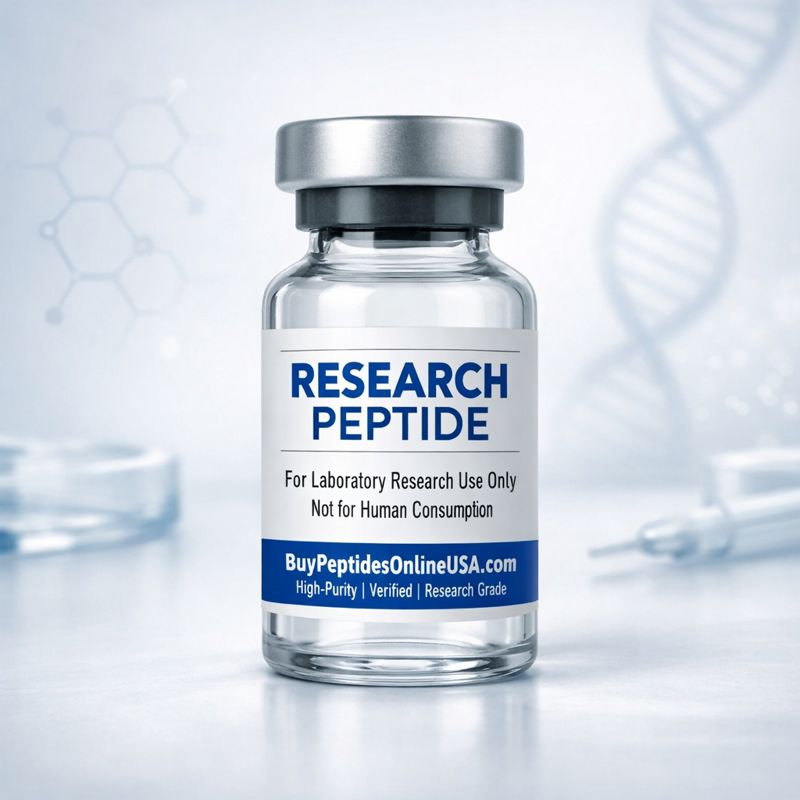
GHK-Cu (Copper Peptide)
Price range: $45.00 through $485.00
Premium GHK-Cu copper peptide for advanced tissue repair and skin research! 🔬 This naturally occurring copper complex stimulates collagen synthesis and wound healing. ≥98% purity, HPLC/MS verified—ideal for dermatology, regenerative medicine, and anti-aging studies. 💊
🔬 Introduction: The Gold Standard in Copper Peptide Research
Welcome to the forefront of copper peptide research with premium GHK-Cu from Buy Peptides Online USA. This naturally occurring copper-peptide complex represents one of the most extensively studied peptides in biomedical science, offering researchers a gold standard tool to investigate tissue regeneration, collagen synthesis, wound healing, and skin repair mechanisms. Originally discovered in human plasma and subsequently recognized for its remarkable biological activities, GHK-Cu has become a foundational compound in regenerative biology and dermatological research. 🧪
GHK-Cu (Gly-His-Lys copper complex) stands as a research benchmark in the peptide field due to its endogenous origin, multi-faceted biological effects, and extensive validation across numerous experimental systems. The characteristic blue color of this copper-peptide complex isn’t just visually distinctive—it’s a direct indicator of proper copper coordination and complex stability, providing researchers with immediate visual confirmation of compound integrity. This natural complex, present in higher concentrations in youthful human plasma, offers unique insights into age-related tissue decline and potential regenerative interventions.
What makes GHK-Cu particularly valuable for researchers is its dual-component nature—combining the biological signaling properties of the GHK tripeptide with the enzymatic cofactor functions of copper ions. This synergistic combination creates research opportunities that span from fundamental copper biochemistry to applied tissue engineering. The peptide’s ability to naturally bind and deliver copper in a bioavailable form makes it an ideal model for studying trace element delivery systems and metal-peptide interactions in biological contexts.
At our specialized research supply facility, we provide this well-characterized research complex in its pre-formed, stable state, ensuring researchers receive a consistent, high-quality complex for their investigations. Each batch undergoes comprehensive third-party analytical verification of both peptide purity and copper content, produced under strict GMP guidelines, making GHK-Cu a reliable standardized tool for copper biology and regenerative medicine research.
🌟 GHK-Cu Research Significance:
- Natural Copper Complex: Endogenous copper-peptide complex with physiological relevance
- Multi-Mechanistic Actions: Influences collagen synthesis, anti-inflammatory pathways, tissue remodeling
- Research Benchmark: Established gold standard in copper peptide research
- Blue Color Indicator: Visual confirmation of proper copper coordination
- Broad Applications: Relevant to wound healing, skin aging, hair growth, and tissue engineering
🧬 What Is GHK-Cu (Copper Peptide)?
GHK-Cu is the copper-complexed form of the naturally occurring tripeptide Glycine-Histidine-Lysine (Gly-His-Lys), where the copper ion (Cu²⁺) is coordinated to the histidine residue in a stable 1:1 complex. This pre-formed complex represents the biologically active form found in human plasma, distinguished from the peptide alone (GHK Basic) by its characteristic blue color and enhanced biological activities. The “Cu” designation specifically indicates the copper-complexed form, which exhibits distinct properties and research applications compared to the non-complexed peptide. 🔵
Historical Discovery & Research Timeline:
- 1973 Discovery: First isolated from human plasma by Dr. Loren Pickart
- Initial Observations: Noted for remarkable wound healing acceleration properties
- Copper Complex Characterization: Understanding of copper’s essential role in biological activity
- Research Expansion: Investigation across dermatology, gerontology, regenerative medicine
- Current Status: One of the most researched peptides with over 1,000 published studies
Natural Presence & Age Correlation:
- Plasma Concentrations: ~200 ng/mL in young adults, declining with age
- Age-Related Decline: Decreases approximately 10-fold by age 60-70
- Physiological Correlation: Natural decline parallels age-related tissue changes
- Research Implication: Provides natural model for aging intervention studies
The Copper-Peptide Synergy:
- Peptide Component: Gly-His-Lys tripeptide provides targeting and signaling
- Copper Component: Essential trace element with enzymatic cofactor functions
- Complex Advantages: Enhanced stability, bioavailability, and biological effects
- Research Value: Model for studying metal-peptide interactions in biology
🔍 Primary Research Functions & Applications:
Wound Healing & Tissue Regeneration Research 🩹
GHK-Cu has been extensively studied for:
- Accelerated Wound Closure: Faster healing in acute and chronic wound models
- Granulation Tissue Formation: Enhanced development of new connective tissue
- Angiogenesis Stimulation: Promotion of new blood vessel formation
- Scar Modulation: Improved scar quality with reduced fibrosis
Collagen & Extracellular Matrix Synthesis 🏗️
Fundamental matrix biology research:
- Collagen Production: Stimulation of Types I, III, IV, and VII collagen synthesis
- Elastin Organization: Improved elastic fiber formation and structure
- Glycosaminoglycan Regulation: Hyaluronic acid and proteoglycan effects
- Matrix Metalloproteinase Balance: Regulation of synthesis vs. degradation enzymes
Skin Biology & Anti-Aging Research 👵→👩
Dermatological research applications:
- Skin Rejuvenation: Improved dermal thickness, elasticity, and hydration
- Photoaging Repair: UV damage reversal and protection mechanisms
- Barrier Function Enhancement: Strengthened skin barrier integrity
- Age-Related Changes: Interventions for chronological aging parameters
Anti-Inflammatory & Antioxidant Effects 🛡️
Immunomodulatory research:
- Cytokine Regulation: Reduction of TNF-α, IL-1β, IL-6, other inflammatory mediators
- NF-κB Pathway Inhibition: Suppression of key inflammatory signaling
- Free Radical Scavenging: Direct antioxidant activity
- Oxidative Stress Protection: Enhancement of cellular defense systems
Hair Growth & Follicle Biology 💇
Trichology research applications:
- Hair Cycle Modulation: Stimulation of anagen (growth) phase
- Follicle Activation: Reactivation of dormant hair follicles
- Hair Shaft Improvement: Enhanced strength and growth rate
- Comparative Studies: Versus other hair growth interventions
⚗️ Chemical Specifications & Technical Data
📊 Complete Technical Specifications Table
| Specification | Detail | Research Significance |
|——————-|————|—————————|
| Sequence | Gly-His-Lys (GHK) complexed with Cu²⁺ | Determines biological activity |
| Complex Form | GHK-Cu (1:1 peptide:copper complex) | Pre-formed, stable complex |
| Molecular Formula | C₁₄H₂₂CuN₆O₄ | Precise atomic composition |
| Molecular Weight | 401.90 g/mol (complex) | Essential for molar calculations |
| Copper Content | 15.81% by weight (theoretical) | Critical for copper-dependent research |
| CAS Number | 130120-57-9 | Unique chemical registry identifier |
| PubChem CID | 16197627 | Public database reference |
| Synonyms | Copper peptide GHK, GHK-Cu, Copper tripeptide-1, Gly-His-Lys-Cu | Alternative research names |
| Purity | ≥98% (HPLC verified) | Ensures research consistency |
| Copper Verification | ICP-MS confirmation of copper content | Validates complex formation |
| Solubility | Highly soluble in water, aqueous buffers | Important for research preparations |
| Storage Conditions | -20°C protected from light | Maintains complex stability |
| Physical Appearance | Blue to blue-green powder | Visual indicator of copper complex |
| Shelf Life | 24 months at -20°C unopened | Research planning consideration |
| Quality Verification | HPLC, MS, ICP-MS, amino acid analysis | Comprehensive quality assurance |
| Manufacturing Standard | GMP compliance for peptide-metal complexes | Guarantees production quality |
🔍 Structural Characteristics & Complex Properties:
Coordination Chemistry Details 🔗
The copper ion coordination involves:
- Primary Binding Site: Histidine imidazole nitrogen (strong coordination)
- Secondary Interactions: Possible peptide backbone carbonyl coordination
- Coordination Geometry: Likely square planar (characteristic of Cu²⁺ complexes)
- Coordination Number: Typically 4 (common for stable copper complexes)
- Complex Stability: High stability constant appropriate for biological systems
Blue Color Significance 🔵
The characteristic blue color provides important research information:
- Oxidation State Confirmation: Blue indicates Cu²⁺ (not reduced Cu⁺)
- Complex Integrity: Consistent blue color suggests proper complex formation
- Quality Indicator: Color consistency across batches indicates manufacturing consistency
- Research Utility: Visual monitoring of complex stability in experiments
Copper-Peptide Ratio & Stoichiometry ⚖️
- Optimal Ratio: 1:1 peptide:copper (mol:mol)
- Copper Content: 15.81% by weight in perfect 1:1 complex
- Excess Copper: May indicate improper complexation or contamination
- Research Verification: ICP-MS confirms correct stoichiometry
Comparative Analysis with Related Compounds:
Table: GHK-Cu vs. Other Copper Complexes
| Characteristic | GHK-Cu | Copper Chloride | Other Copper Peptides |
|——————–|————|———————|—————————|
| Copper Form | Peptide-complexed | Ionic salt | Various peptide complexes |
| Bioavailability | High (peptide-mediated) | Low (ionic) | Variable |
| Specificity | Natural signaling complex | Non-specific | Designed for specific targets |
| Research Applications | Broad tissue repair | Basic copper studies | Specific biological targets |
| Safety Profile | Excellent (natural compound) | Can be pro-oxidant | Generally good |
Physicochemical Properties for Research:
- Charge Characteristics: Overall positive charge (lysine + copper)
- Hydrophilicity: Highly hydrophilic, excellent aqueous solubility
- Partition Coefficient: Balanced for membrane interactions
- Stability Constants: High stability constant for copper binding
- Research Relevance: These properties affect experimental outcomes and formulation
⚙️ Mechanism of Action Research
Primary Research Mechanisms:
1. Gene Expression Modulation 🧬
GHK-Cu’s most extensively documented effect involves broad gene regulation:
- Transcriptional Activation: Upregulation of extracellular matrix and repair genes
- Gene Repression: Downregulation of inflammatory and matrix degradation genes
- Microarray Studies: Affects expression of hundreds of genes in comprehensive analyses
- Research Applications: Model for copper-dependent gene regulation
Key Gene Categories Affected:
- Collagen & Matrix Genes: COL1A1, COL3A1, elastin, decorin, lumican
- Anti-Inflammatory Genes: SOCS (suppressors of cytokine signaling) proteins
- Growth Factors: VEGF, FGF, TGF-β pathway components
- Antioxidant Enzymes: Superoxide dismutase, catalase, glutathione peroxidase
2. Copper Delivery & Enzymatic Cofactor Function 🔗
Essential trace element delivery:
- Bioavailable Copper Source: Provides copper in biologically accessible form
- Enzyme Activation: Copper delivery to lysyl oxidase, superoxide dismutase, other Cu-enzymes
- Targeted Delivery: Peptide may direct copper to specific cellular compartments
- Research Models: Study of copper-dependent enzyme systems
3. Anti-Inflammatory Pathway Modulation 🛡️
Important immunomodulatory mechanisms:
- Cytokine Reduction: Decreases production of pro-inflammatory cytokines
- NF-κB Inhibition: Suppresses this central inflammatory signaling pathway
- Inflammatory Cell Modulation: Effects on macrophage polarization and function
- Research Applications: Models of inflammation and immune regulation
4. Antioxidant & Redox Balance Effects ⚡
Oxidative stress modulation:
- Free Radical Scavenging: Direct neutralization of reactive oxygen species
- Antioxidant Enzyme Induction: Increased expression of protective enzymes
- Redox Homeostasis: Help maintain cellular oxidation-reduction balance
- Research Value: Model for antioxidant peptide mechanisms
5. Stem Cell & Progenitor Cell Activation 🧫
Regenerative mechanisms:
- Stem Cell Mobilization: Activation of various tissue stem cell populations
- Differentiation Guidance: Influence on cell fate decisions in repair contexts
- Proliferation Support: Enhanced growth of repair-relevant cell types
- Research Applications: Tissue engineering and regenerative medicine models
Time Course of Effects in Research Models:
Table: Research Timeframes for GHK-Cu Effects
| Experimental Timeframe | Primary Observable Effects | Recommended Assessment Methods |
|—————————-|——————————–|————————————|
| Minutes to Hours | Cellular uptake, early signaling | Uptake studies, phosphorylation assays |
| Hours | Gene expression changes | qPCR, microarray analysis |
| Hours to Days | Protein synthesis, enzyme activation | Western blot, enzyme activity assays |
| Days | Cellular responses, matrix production | Cell culture assays, microscopy |
| Days to Weeks | Tissue changes, wound healing | Histology, functional measurements |
| Weeks | Structural improvements, repair outcomes | Biomechanics, long-term assessments |
Copper-Dependent Mechanism Validation:
- Chelator Controls: EDTA or other chelators to confirm copper dependence
- Component Comparisons: Versus GHK alone, copper alone, physical mixture
- Copper Variants: Different copper oxidation states or sources
- Research Design: Should include mechanism validation experiments
Concentration-Dependent Responses:
- Physiological Range: Nanomolar concentrations in plasma
- Effective Research Range: Typically 1-100 nM in plasma models, 1-10 μM in cell culture
- Biphasic Responses: Some effects show optimal concentration windows
- Research Recommendation: Include full concentration gradients in studies
🔬 Research Applications & Protocols
Primary Research Models & Systems:
Wound Healing & Tissue Repair Models 🩹
- In Vitro Scratch Assays: Cell migration and wound closure in culture
- Ex Vivo Skin Explants: Human or animal skin with induced wounds
- In Vivo Wound Models: Excisional, incisional, burn, diabetic ulcers
- Chronic Wound Systems: Models of impaired healing
Skin Biology & Dermatology Research 👩
- Fibroblast Cultures: Collagen production, matrix synthesis studies
- 3D Skin Equivalents: Reconstructed skin for compound testing
- Photoaging Models: UV-induced skin damage and repair mechanisms
- Aging Skin Studies: Chronological aging and intervention research
Extracellular Matrix & Connective Tissue 🏗️
- Collagen Synthesis Assays: Direct measurement of collagen production
- Elastin Studies: Elastic fiber formation and organization analysis
- Glycosaminoglycan Research: Hyaluronic acid and proteoglycan effects
- Matrix Metalloproteinase Studies: Enzyme regulation and activity
Anti-Inflammatory & Immunomodulation 🛡️
- Cytokine Production Assays: ELISA, multiplex analysis of mediators
- Immune Cell Response Studies: Macrophage, lymphocyte functional assays
- Oxidative Stress Models: Free radical production and protection
- Inflammatory Condition Models: Tissue inflammation and resolution
Hair Biology & Trichology Research 💇
- Hair Follicle Organ Culture: Isolated follicle growth and cycling
- Animal Hair Growth Models: Depilation-induced or genetic hair loss
- Follicle Cell Cultures: Dermal papilla, keratinocyte studies
- Comparative Efficacy: Versus other hair growth interventions
Protocol Optimization Recommendations:
Formulation & Solution Preparation 💧
- Aqueous Solutions: Preferred for solubility and stability
- Buffer Compatibility: PBS, HEPES, other physiological buffers work well
- pH Considerations: Maintain physiological pH (7.0-7.4) for stability
- Sterilization Methods: Filtration recommended (avoid autoclaving)
Concentration Guidelines & Dilutions 📊
- Stock Solutions: 1-10 mM in water or buffer, aliquot and freeze
- Working Concentrations: Typically 1 nM to 10 μM depending on application
- Topical Formulations: 0.01% to 0.1% in appropriate vehicles
- Dose-Response Studies: Include multiple concentrations (e.g., 0.1, 1, 10 μM)
Control Strategy Development 🎯
- Complex Controls: GHK-Cu at multiple concentrations
- Component Controls: GHK alone, copper alone, physical mixture
- Positive Controls: Known repair agents for comparison
- Vehicle Controls: Buffer or formulation without active
- Chelator Controls: EDTA to confirm copper dependence
Endpoint Selection & Measurement:
Molecular & Biochemical Endpoints 🧪
- Gene Expression: qPCR for collagen, elastin, inflammatory genes
- Protein Analysis: Western blot, ELISA for matrix proteins, cytokines
- Enzyme Activity: Lysyl oxidase, MMP, antioxidant enzyme measurements
- Copper Uptake: Cellular copper content measurements
Cellular & Microscopic Endpoints 🔬
- Proliferation Assays: Cell counting, BrdU, MTT, other viability measures
- Migration Measurements: Scratch assays, transwell migration
- Differentiation Markers: Cell type-specific protein expression
- Microscopy: Live cell imaging, immunohistochemistry, electron microscopy
Tissue & Functional Endpoints 📏
- Histological Analysis: H&E, trichrome, special stains for matrix
- Biomechanical Testing: Tensile strength, elasticity measurements
- Wound Closure Rates: Planimetric measurement over time
- Clinical Assessments: Visual grading, photographic documentation
Quality Assurance in Research:
- Complex Verification: Visual color check, spectroscopy if available
- Solution Stability: Monitor for precipitation or color changes
- Copper Measurement: Confirm concentrations in working solutions
- Bioactivity Verification: Include positive control systems
💎 Why Choose GHK-Cu & Why Choose Us?
Research Advantages of GHK-Cu:
Gold Standard Research Compound 🥇
- Extensive Validation: Over 1,000 published research studies
- Mechanistic Understanding: Well-characterized biological activities
- Research Benchmark: Reference standard for copper peptide studies
- Comparative Value: Baseline for novel compound development
Natural Copper-Peptide Complex 🔗
- Endogenous Origin: Naturally occurring in human plasma
- Physiological Relevance: Direct relevance to human biology and aging
- Optimal Complexation: Naturally evolved copper-peptide interaction
- Safety Profile: Natural compound with excellent safety record
Dual-Component Research Tool ⚡
- Complex Effects: Study of copper-peptide synergies
- Component Comparisons: Versus individual components
- Mechanistic Studies: Distinguish copper vs. peptide effects
- Formulation Research: Model for metal-peptide delivery systems
Broad Biological Relevance 🔬
- Multiple Tissue Systems: Skin, wound, hair, bone, nerve applications
- Various Research Fields: Dermatology, gerontology, regenerative medicine
- Different Model Systems: Cellular, tissue, animal, clinical studies
- Comprehensive Effects: Structural, anti-inflammatory, regenerative
Buy Peptides Online USA Advantages:
Dual-Analyte Quality Assurance 🌟
- Peptide Purity: ≥98% peptide purity by HPLC
- Copper Verification: ICP-MS confirmation of copper content and stoichiometry
- Complex Validation: Spectroscopy confirming proper complex formation
- Batch Consistency: Rigorous controls ensuring identical complex quality
- Complete Documentation: COA with both peptide and copper analytics
Copper-Peptide Specialization 🔬
- Complexation Expertise: Experience with natural copper-peptide complexes
- Stability Knowledge: Optimal storage and handling guidance
- Research Applications: Protocol advice for copper peptide studies
- Quality Standards: Pharmaceutical-grade complex production
Research-Focused Support 💡
- Protocol Consultation: Experimental design for copper peptide research
- Literature Access: Comprehensive GHK-Cu research database
- Technical Guidance: Handling and formulation recommendations
- Application Advice: Model system selection for specific research questions
Service Excellence ⚡
- Fast Processing: Most orders ship within 1-2 business days
- Temperature-Controlled Shipping: Cold packs for complex stability
- International Shipping: Available to research facilities worldwide
- Responsive Support: Knowledgeable assistance for research inquiries
📦 Product Specifications & Ordering
GHK-Cu Copper Peptide – Complete Details:
- Product Form: Blue to blue-green lyophilized powder
- Peptide Purity: ≥98% by HPLC analysis
- Copper Content: 15-16% by weight (verified by ICP-MS)
- Quantity Options: 10mg, 25mg, 50mg, 100mg, 250mg vials
- Appearance: Characteristic blue color indicates copper complex
- Packaging: Amber glass vial with desiccant, protective packaging
- Labeling: Clear batch identification with storage instructions
Streamlined Ordering Process: 🛒
- Product Selection: Choose desired quantity of GHK-Cu
- Documentation Review: Access current batch COA before purchase
- Secure Checkout: Complete purchase through encrypted payment system
- Order Confirmation: Immediate email confirmation with timeline
- Shipping Notification: Tracking information when order ships
- Receipt & Verification: Check blue color and store at -20°C
- Research Implementation: Proceed with approved protocols
Available Payment Methods:
- Credit/Debit Cards: Secure processing with encrypted protection
- Cryptocurrency: Bitcoin, Ethereum, USDT options available
- Bank Transfers: Accommodated for institutional purchases
- Purchase Orders: Accepted from verified research institutions
Shipping & Delivery Information:
- USA Orders: Typically delivered within 2-5 business days
- International Shipping: Available with compliance documentation
- Free Shipping: Domestic orders over $300 ship free
- Temperature Control: Cold packs for complex stability during transit
- Discreet Packaging: No external indication of contents
- Tracking Provided: All shipments include tracking information
Customer Support Services: 🤝
- Pre-Purchase Consultation: Available for research design questions
- Technical Specifications: Detailed complex information
- Documentation Requests: Additional certificates or analytical data
- Issue Resolution: Responsive handling of any order concerns
- Research Guidance: Protocol suggestions for tissue repair studies
❓ Frequently Asked Questions (FAQs)
Q1: What does the blue color of GHK-Cu indicate?
A: The characteristic blue color confirms the copper is in the Cu²⁺ oxidation state and properly complexed with the GHK peptide. This color serves as a visual quality indicator—proper blue color suggests correct complex formation, while color changes may indicate degradation or improper complexation.
Q2: How is GHK-Cu different from GHK Basic?
A: GHK-Cu is the pre-formed copper complex (peptide already bound to copper), while GHK Basic is the peptide alone without copper. GHK-Cu offers the copper-peptide complex ready for use, ensuring consistent stoichiometry, while GHK Basic allows researchers to add copper in controlled amounts for mechanism studies.
Q3: What concentration of GHK-Cu is typically used in research?
A: For cell culture studies, 1-100 nM is typical (mimicking physiological plasma concentrations). For more pronounced effects in experimental systems, 1-10 μM is often used. For topical applications in animal studies, 0.01-0.1% solutions are common. Optimal concentrations depend on your specific model.
Q4: How should GHK-Cu be stored for research use?
A: Store unopened vials at -20°C protected from light. Once reconstituted, use immediately or aliquot and freeze at -20°C. Avoid repeated freeze-thaw cycles. The blue color should remain stable—color changes may indicate degradation. For daily use, solutions can be kept at 4°C for up to one week.
Q5: Can GHK-Cu be used in combination with other growth factors?
A: Yes, GHK-Cu is often studied in combination with growth factors (VEGF, FGF, TGF-β) to investigate synergistic effects. Such combinations allow research into multi-component approaches to tissue repair and regeneration. Always test compatibility in your specific systems.
Q6: What research models are most appropriate for GHK-Cu studies?
A: GHK-Cu is suitable for fibroblast cultures (collagen production), wound healing models (scratch assays, animal wounds), skin aging models (UV exposure, chronological aging), hair follicle studies, inflammatory models, and stem cell research. The choice depends on your specific research questions.
Q7: How long does it take to see effects in research models?
A: Gene expression changes occur within hours. Protein synthesis changes typically require 24-48 hours. Cellular responses (migration, proliferation) are often seen within days. Tissue-level effects (wound healing, collagen deposition) generally require days to weeks, depending on the model.
Q8: Is the copper in GHK-Cu bioavailable in research systems?
A: Yes, the copper in GHK-Cu is in a highly bioavailable form. The peptide naturally binds and delivers copper in a way that enhances its biological availability compared to free copper ions. The complex is designed to release copper in a controlled manner at target sites.
Q9: What analytical methods confirm GHK-Cu quality?
A: We use HPLC for peptide purity (≥98%), Mass Spectrometry for molecular weight confirmation (401.90 Da), ICP-MS for copper content and stoichiometry, amino acid analysis for composition verification, and spectroscopy for complex formation confirmation.
Q10: Is international shipping available for GHK-Cu?
A: Yes, we ship to research facilities worldwide where importation of research peptides is permitted. Researchers are responsible for ensuring compliance with their country’s import regulations for research materials containing copper complexes.
🔬 Conclusion: The Gold Standard in Tissue Repair Research
GHK-Cu represents the gold standard in copper peptide research and a cornerstone of tissue repair investigation. As a naturally occurring copper-peptide complex with extensive research validation, GHK-Cu offers researchers a fundamental tool to investigate wound healing, collagen synthesis, anti-inflammatory mechanisms, and tissue regeneration with unparalleled physiological relevance. 🔵
This pre-formed complex is particularly valuable for researchers studying copper biology in tissue repair, age-related tissue decline, comparative regenerative approaches, and metal-peptide interactions in biological systems. Its endogenous origin, well-characterized activities, blue color indicator, and research flexibility make it an excellent choice for both basic science investigations and applied regenerative studies.
Our high-quality GHK-Cu is manufactured with dual-analyte quality control, ensuring researchers receive a consistent, reliable complex for their investigations. With comprehensive verification of both peptide purity and copper content, plus GMP-compliant production, our product supports reproducible research into one of the most fundamental areas of biomedical science—how tissues repair, regenerate, and maintain themselves throughout life.
Key Research Applications:
- Wound Healing Mechanisms: Cellular and molecular repair processes
- Collagen Biology: Synthesis, organization, and age-related changes
- Anti-Inflammatory Research: Peptide-mediated inflammation control
- Skin Aging Studies: Chronological and photoaging interventions
- Copper-Peptide Interactions: Natural metal-binding complex biology
Ready to work with the gold standard? Choose GHK-Cu for your studies of tissue repair, collagen synthesis, anti-inflammatory mechanisms, and regenerative biology. Place your order today and advance your research with this benchmark copper peptide complex.
| Analysis Certificate |
COA Available |
|---|---|
| Certifications |
Third-Party Tested ,GMP Manufactured |
| Intended Use |
Not for Human Consumption ,Not for Diagnostic Use ,Research Use Only (RUO) ,For Laboratory Use |
| Purity |
≥98% |
| Shelf Life |
12 months |
| Storage |
Refrigerate (2-8°C) ,Store in a Cool, Dry Place ,Protect from Light |
| Form |
Topical (Cream/Gels/Drops/Patch) |
| Primary Function |
Skincare & Anti-Aging |
| Functional Sub-Type |
Healing & Repair Peptide |
| Quantity |
50mg ,200mg ,500mg ,1000mg |
Related products
AHK-Cu (Copper Tripeptide)
Decapeptide-12
GHK Basic (Tripeptide-1)
Matrixyl (Palmitoyl Pentapeptide-3)
Pal-AHK (Palmitoyl Tripeptide-3)
SNAP-8 Peptide
Syn-Coll (Palmitoyl Tripeptide-5)