

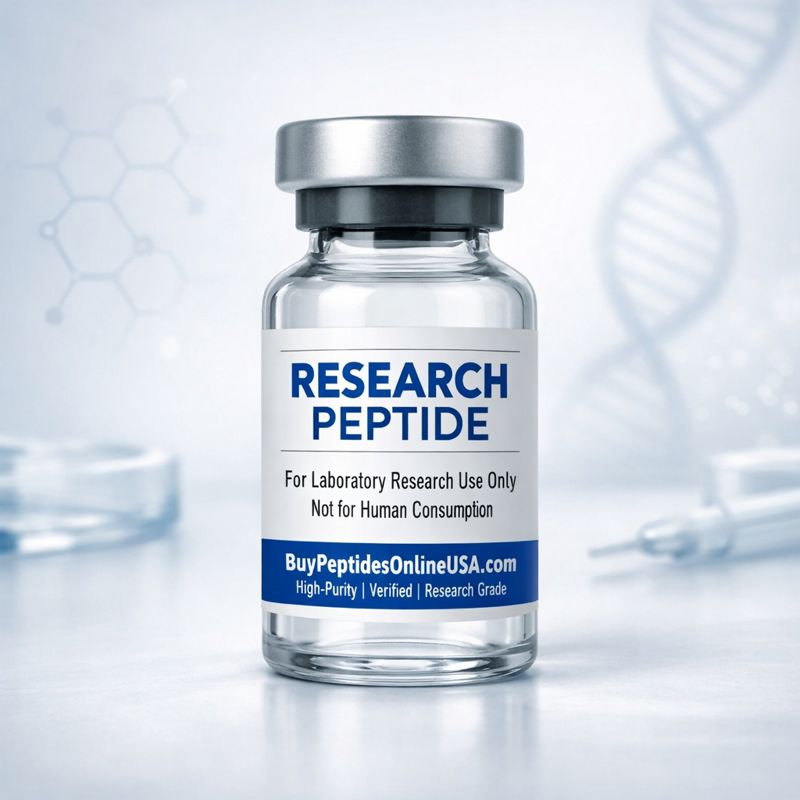
Decapeptide-12
$195.00
Premium Decapeptide-12 for advanced pigment research and melanin modulation studies! 🔬 This targeted peptide specifically addresses melanogenesis regulation. ≥98% purity, HPLC/MS verified—ideal for dermatology, pigment disorder, and cosmetic science research. 💊
🎨 Introduction: Targeted Pigment Modulation for Research
Welcome to specialized pigmentation research with premium Decapeptide-12 from Buy Peptides Online USA. This innovative ten-amino-acid peptide represents a significant advancement in the study of melanogenesis regulation, pigment disorder mechanisms, and skin tone modulation. Specifically designed to target key pathways in melanin production, Decapeptide-12 offers researchers a precise tool to investigate hyperpigmentation, hypopigmentation, and melanocyte biology in controlled experimental settings. 🧪
Decapeptide-12 stands out in dermatological research for its targeted approach to melanin regulation. Unlike broad-spectrum skin lightening agents that may affect multiple cell types or pathways, this peptide is engineered to specifically interact with melanogenesis pathways, making it particularly valuable for researchers studying pigment biology with minimal off-target effects. Its development represents the application of peptide engineering to address one of the most common and challenging areas in dermatology—controlled pigment modulation.
The peptide’s design emerged from understanding the specific molecular interactions involved in melanin synthesis and transfer. By creating a peptide sequence that mimics or interferes with natural regulatory elements in the melanogenesis pathway, researchers developed a compound that allows precise investigation of pigment biology without the confounding factors associated with less specific agents. This targeted approach enables clearer mechanistic studies and more interpretable research outcomes.
At our specialized research supply facility, we synthesize this focused peptide to the highest purity standards, ensuring researchers receive consistent, high-quality material for pigment biology investigations. Each batch undergoes comprehensive third-party analytical verification and is produced under strict GMP guidelines, making Decapeptide-12 a reliable standardized tool for melanogenesis research across various model systems.
🌟 Decapeptide-12 Research Significance:
- Pigment-Specific Targeting: Designed specifically for melanogenesis pathway research
- Mechanistic Precision: Allows investigation of specific steps in melanin production
- Research Clarity: Minimizes confounding effects from broader-acting agents
- Model Versatility: Applicable across cell culture, tissue, and clinical pigment studies
- Standardized Approach: Consistent tool for comparative pigment research
🔬 What Is Decapeptide-12?
Decapeptide-12 is a synthetic ten-amino-acid peptide specifically engineered to modulate melanogenesis—the biological process of melanin production in melanocytes. The “12” designation refers to its specific identifier in peptide development libraries, distinguishing it from other decapeptides with different sequences and functions. This peptide represents a targeted approach to pigment biology research, designed based on understanding of melanogenesis regulatory mechanisms. 🎯
Research & Development Context:
- Peptide Engineering: Designed through rational peptide design approaches
- Target Identification: Based on melanogenesis pathway analysis
- Sequence Optimization: Refined for specificity and activity
- Research Validation: Tested in pigment biology model systems
- Current Status: Research tool for melanogenesis mechanism studies
Naming Convention Explanation:
- Decapeptide: Indicates ten amino acid length
- -12: Specific identifier in development series
- Research Context: Similar naming to other cosmetic/research peptides
- Literature Reference: Searchable under this standardized name
Primary Research Functions & Applications:
Melanogenesis & Pigment Biology Research 🎨
Decapeptide-12 enables investigation of:
- Melanin Synthesis Pathways: Tyrosinase activity and related enzymes
- Melanocyte Signaling: cAMP, MITF, and other pigment regulatory pathways
- Pigment Transfer: Melanosome transfer to keratinocytes
- Melanocyte-Keratinocyte Interactions: Cross-talk in epidermal pigment unit
Hyperpigmentation Disorder Studies 🟤
Research applications include:
- Melasma Models: Hormonal and UV-induced hyperpigmentation
- Post-Inflammatory Hyperpigmentation: Pigment responses to injury or inflammation
- Solar Lentigines: Age/UV-related pigment spot formation
- General Hyperpigmentation: Mechanisms of excessive pigment production
Skin Tone & Evenness Research 👩
Cosmetic science applications:
- Pigment Distribution: Regulation of even pigment distribution
- Tone Modulation: Controlled reduction of pigment intensity
- Preventive Approaches: Inhibition of unwanted pigment formation
- Combination Strategies: With other skin tone modulating agents
Comparative Pigment Modulation Studies ⚖️
Performance research:
- Mechanism Comparisons: Versus other pigment-modulating agents
- Efficacy Assessments: Concentration-dependent pigment effects
- Safety Profiles: Specificity advantages over broader agents
- Synergy Research: With other pigment pathway modulators
Melanocyte Biology Fundamentals 🧫
Basic science applications:
- Cell Signaling Studies: Specific pathway activation/inhibition
- Gene Expression: Effects on melanogenesis-related genes
- Protein Interactions: Binding studies with pigment pathway components
- Cellular Responses: Melanocyte proliferation, differentiation, function
⚗️ Chemical Specifications & Structural Analysis
📊 Complete Technical Specifications Table
| Specification | Detail | Research Significance |
|——————-|————|—————————|
| Peptide Length | 10 amino acids | Determines specificity and activity |
| Sequence | Proprietary (melanogenesis-targeted) | Optimized for pigment pathway interaction |
| Molecular Weight | ~1000-1200 Da (estimated) | Typical range for bioactive peptides |
| Purity | ≥98% (HPLC verified) | Ensures research consistency |
| Solubility | Soluble in aqueous buffers, water | Important for research preparations |
| Storage Conditions | -20°C for long-term; 2-8°C for daily use | Maintains peptide stability |
| Physical Appearance | White lyophilized powder | Characteristic peptide presentation |
| Shelf Life | 24 months at -20°C unopened | Research planning consideration |
| Quality Verification | HPLC, MS, amino acid analysis | Ensures material authenticity |
| Manufacturing Standard | GMP compliance for peptide synthesis | Guarantees production quality |
| Intended Application | Pigment biology, dermatology, cosmetic research | Defines appropriate research scope |
🔍 Structural Characteristics & Design Rationale:
Decapeptide Length Advantages 📐
Optimal balance for research:
- Specificity Potential: Long enough for specific target interaction
- Synthetic Feasibility: Practical to manufacture with high purity
- Stability Profile: Good resistance to enzymatic degradation
- Delivery Considerations: Appropriate size for topical/cellular delivery
Sequence Design Principles 🧬
Based on melanogenesis pathway understanding:
- Target Mimicry: May mimic natural peptide regulators of pigment
- Receptor Interaction: Designed for specific receptor or enzyme binding
- Pathway Interference: May block specific steps in melanin synthesis
- Specificity Elements: Sequences that minimize off-target effects
Charge & Hydrophobicity Profile ⚡
Optimized for biological activity:
- Charge Balance: Appropriate for cell membrane interaction
- Hydrophobic Moments: May facilitate specific protein interactions
- Solubility Characteristics: Balanced for research formulations
- Stability Features: Residues that enhance peptide stability
Comparative Structural Analysis:
Table: Decapeptide-12 vs. Other Pigment Modulators
| Characteristic | Decapeptide-12 | Kojic Acid | Arbutin |
|——————–|———————|—————-|————-|
| Molecular Type | Peptide (10 aa) | Small molecule | Glycosylated hydroquinone |
| Primary Target | Specific pathway component | Tyrosinase | Tyrosinase |
| Specificity | High (designed) | Moderate | Moderate |
| Research Applications | Mechanism studies | Broad pigment inhibition | Traditional reference |
| Model Systems | Cellular, molecular | Cellular, formulation | Cellular, clinical |
Estimated Physicochemical Properties:
- Isoelectric Point: Likely in physiological range
- Charge at pH 7: Designed for cell interaction
- Hydrophilicity: Balanced for cellular uptake
- Stability Profile: Good stability in research conditions
- Research Relevance: Affects experimental design and interpretation
⚙️ Mechanism of Action Research
Primary Research Mechanisms:
1. Targeted Melanogenesis Pathway Modulation 🎯
Decapeptide-12’s primary mechanism involves specific interaction with melanogenesis regulation:
- Pathway Component Interaction: Binds specific proteins in pigment pathway
- Enzyme Modulation: May affect tyrosinase or related enzymes
- Signal Interference: Interrupts specific signaling cascades
- Receptor Binding: May interact with melanocyte receptors
Melanogenesis Pathway Details:
- Tyrosinase Regulation: Possible effects on this key melanin enzyme
- MITF Modulation: Microphthalmia-associated transcription factor effects
- cAMP Signaling: Interference with this key pigment pathway
- Research Applications: Tool for dissecting pathway components
2. Melanocyte-Keratinocyte Interaction Effects 🤝
Influence on epidermal pigment unit:
- Melanosome Transfer: Effects on pigment transfer between cells
- Paracrine Signaling: Modulation of cross-cell communication
- Epidermal Distribution: Influence on pigment distribution in skin
- Research Models: Co-culture systems, skin equivalent models
3. Anti-Inflammatory Pigment Effects 🛡️
Addressing inflammatory components:
- Cytokine Modulation: Effects on pigment-related cytokines
- Post-Inflammatory Pathways: Prevention of inflammation-induced pigment
- Redox Balance: Antioxidant effects on pigment cells
- Research Connections: Links between inflammation and pigment
4. UV Response Modulation ☀️
Effects on photo-induced pigment:
- UV Signaling: Interference with UV-induced pigment pathways
- DNA Repair Links: Connections between DNA damage and pigment
- Preventive Effects: Inhibition of UV-stimulated melanogenesis
- Research Applications: Photoaging and photoprotection studies
Time Course of Effects in Research Models:
Table: Research Timeframes for Decapeptide-12 Effects
| Experimental Timeframe | Primary Observable Effects | Recommended Assessment Methods |
|—————————-|——————————–|————————————|
| Hours | Cellular uptake, early signaling | Uptake studies, phosphorylation assays |
| Hours-Days | Gene expression changes | qPCR, microarray for pigment genes |
| Days | Protein level changes | Western blot, ELISA for melanogenic proteins |
| Days-Weeks | Cellular pigment changes | Melanin assays, microscopy |
| Weeks | Tissue/organismal pigment effects | Photography, colorimetry, histology |
Dose-Response Characteristics:
Research typically shows:
- Threshold Concentration: Minimum for detectable effects
- Linear Range: Concentration-dependent response region
- Saturation Point: Maximum effect concentration
- Potential Biphasic Effects: Different effects at different concentrations
- Research Recommendation: Full dose-response curve establishment
Mechanism Validation Approaches:
- Component Controls: Peptide alone vs. vehicle controls
- Pathway Inhibitors: Specific pathway blockers to confirm mechanism
- Genetic Approaches: Knockdown/overexpression of target molecules
- Binding Studies: Direct interaction measurements with candidate targets
🔬 Research Applications & Protocols
Primary Research Models:
In Vitro Cellular Models 🧫
- Melanocyte Cultures: Primary or immortalized melanocyte lines
- Co-culture Systems: Melanocyte-keratinocyte co-cultures
- 3D Skin Equivalents: Reconstructed skin with functional pigment
- Cell Signaling Models: Reporter assays for specific pathways
Ex Vivo Tissue Models 🔬
- Skin Explant Cultures: Human skin maintenance and treatment
- Organotypic Cultures: More complex tissue maintenance systems
- Follicle Models: Hair follicle pigment systems
- Pigment Spot Models: Isolated hyperpigmented tissue
In Vivo Animal Models 🐭
- Hyperpigmentation Models: UV-induced, hormone-induced, genetic
- Pigment Measurement Models: Animals with measurable pigment changes
- Safety/Toxicity Models: Local and systemic effect assessments
- Comparative Efficacy Models: Versus other pigment modulators
Clinical Research Applications 👩
- Human Skin Studies: Volunteer trials with pigment assessment
- Formulation Testing: Vehicle and delivery optimization
- Combination Studies: With other active ingredients
- Long-Term Effects: Extended application studies
Endpoint Selection Guidelines:
Molecular & Biochemical Endpoints 🧪
- Gene Expression: qPCR for tyrosinase, TRP-1, TRP-2, MITF
- Protein Levels: Western/ELISA for melanogenic proteins
- Enzyme Activity: Tyrosinase activity assays
- Signal Transduction: Phosphorylation, second messenger measurements
Cellular & Microscopic Endpoints 🔬
- Melanin Content: Spectrophotometric or chemical melanin assays
- Cell Viability: MTT, LDH, other viability assays
- Morphological Changes: Microscopy of melanocyte dendricity, melanosome distribution
- Proliferation Assays: Cell counting, BrdU incorporation
Tissue & Clinical Endpoints 📊
- Colorimetric Measurements: Chromameter, spectrophotometer readings
- Photographic Analysis: Standardized photography with digital analysis
- Histological Assessment: Fontana-Masson, other melanin stains
- Visual Grading: Expert or subject visual assessment scales
Protocol Optimization Recommendations:
Formulation & Delivery Considerations 💧
- Vehicle Selection: Aqueous systems typically optimal
- Penetration Enhancement: Methods for epidermal/dermal delivery
- Concentration Optimization: Typically 0.1-10 μM for in vitro, 0.01-1% for topical
- Stability Testing: Peptide stability in research formulations
Control Strategy Development 🎯
- Vehicle Controls: Formulation without active peptide
- Positive Controls: Known pigment modulators (kojic acid, arbutin, etc.)
- Concentration Controls: Multiple concentrations for dose-response
- Time Controls: Multiple timepoints for kinetic analysis
Measurement Standardization 📏
- Calibration Standards: Melanin standards for quantitative comparison
- Control Cells/Tissues: Untreated controls for each experiment
- Replication Strategy: Biological and technical replicates
- Blinded Assessment: Where possible for subjective measurements
Quality Assurance in Pigment Research ✅
- Melanocyte Characterization: Confirm melanocyte phenotype in cultures
- Pigment Validation: Baseline pigment measurements pre-treatment
- Standardized Conditions: Consistent culture, treatment, assessment conditions
- Reference Materials: Include known pigment modulators for comparison
💎 Why Choose Decapeptide-12 & Why Choose Us?
Research Advantages of Decapeptide-12:
Targeted Pigment Research Tool 🎨
- Pathway Specificity: Designed for melanogenesis mechanism studies
- Research Clarity: Minimizes confounding multi-pathway effects
- Mechanistic Focus: Enables precise pathway component investigation
- Comparative Value: For specificity comparisons with broader agents
Peptide Engineering Benefits 🧬
- Rational Design: Based on understanding of pigment biology
- Optimized Properties: Balanced for research applications
- Consistent Quality: Synthetic peptide ensures batch consistency
- Research Standardization: Enables direct study comparisons
Versatile Research Applications 🔬
- Multiple Model Systems: Cellular, tissue, animal, clinical studies
- Various Research Questions: Basic mechanism to applied efficacy
- Combination Studies: With other pigment or skin actives
- Formulation Research: Delivery and stability optimization
Buy Peptides Online USA Advantages:
Pharmaceutical-Grade Quality Assurance 🌟
- Purity Verification: ≥98% purity with comprehensive impurity profiling
- Sequence Confirmation: MS verification of peptide identity
- Sterility Assurance: Microbial testing where relevant
- Complete Documentation: Extensive COA with all analytical data
- Batch Consistency: Rigorous controls ensuring identical quality
Pigment Research Specialization 🎨
- Melanogenesis Expertise: Understanding of pigment biology research
- Protocol Guidance: Established methods for pigment studies
- Model System Advice: Appropriate model selection for research questions
- Technical Support: Handling, formulation, assessment recommendations
Research-Focused Support 💡
- Experimental Design: Consultation for pigment research projects
- Literature Access: Current research on pigment modulation
- Method Optimization: Advice on assay conditions and endpoints
- Troubleshooting: Assistance with technical challenges
Service Excellence ⚡
- Fast Processing: Most orders ship within 1-2 business days
- Temperature-Controlled Shipping: For peptide stability
- International Shipping: Available to research facilities worldwide
- Responsive Support: Knowledgeable assistance for research inquiries
📦 Product Specifications & Ordering
Decapeptide-12 – Complete Details:
- Product Form: Lyophilized peptide powder
- Purity: ≥98% by HPLC analysis
- Quantity Options: 5mg, 10mg, 25mg, 50mg vials available
- Appearance: White fluffy powder in sterile glass vial
- Packaging: Sealed vial with inert gas, desiccant, protective packaging
- Labeling: Clear batch identification with storage instructions
Streamlined Ordering Process: 🛒
- Product Selection: Choose desired quantity of Decapeptide-12
- Documentation Review: Access current batch COA before purchase
- Secure Checkout: Complete purchase through encrypted payment system
- Order Confirmation: Immediate email confirmation with timeline
- Shipping Notification: Tracking information when order ships
- Receipt & Verification: Check product upon arrival and store at -20°C
- Research Implementation: Proceed with approved protocols
Available Payment Methods:
- Credit/Debit Cards: Secure processing with encrypted protection
- Cryptocurrency: Bitcoin, Ethereum, USDT options available
- Bank Transfers: Accommodated for institutional purchases
- Purchase Orders: Accepted from verified research institutions
Shipping & Delivery Information:
- USA Orders: Typically delivered within 2-5 business days
- International Shipping: Available with compliance documentation
- Free Shipping: Domestic orders over $300 ship free
- Temperature Control: Cold packs for peptide stability during transit
- Discreet Packaging: No external indication of contents
- Tracking Provided: All shipments include tracking information
Customer Support Services: 🤝
- Pre-Purchase Consultation: Available for research design questions
- Technical Specifications: Detailed peptide information
- Documentation Requests: Additional certificates or analytical data
- Issue Resolution: Responsive handling of any order concerns
- Research Guidance: Protocol suggestions for pigment studies
❓ Frequently Asked Questions (FAQs)
Q1: What specific pigment pathway does Decapeptide-12 target?
A: Decapeptide-12 is designed to target specific components of the melanogenesis pathway, though the exact target may be proprietary. Research indicates it modulates melanin production through targeted interaction with pigment regulation pathways, making it valuable for mechanistic pigment biology studies.
Q2: How does Decapeptide-12 differ from traditional skin lightening agents in research?
A: Unlike broad-acting agents like hydroquinone or kojic acid that primarily inhibit tyrosinase, Decapeptide-12 is designed for targeted pathway interaction, potentially offering more specific effects with fewer off-target actions. This makes it particularly valuable for mechanistic research on specific pigment pathways.
Q3: What concentration of Decapeptide-12 is typically effective in research?
A: Effective concentrations vary by model system: typically 0.1-10 μM for cell culture studies, 0.01-0.1% for topical formulations in animal studies. However, optimal concentration depends on your specific model and endpoints. We recommend conducting dose-response studies to establish optimal concentrations for your system.
Q4: How should Decapeptide-12 be stored for research use?
A: Store unopened vials at -20°C protected from light. Once reconstituted, aliquot and store at -20°C to avoid repeated freeze-thaw cycles. For daily use, store at 2-8°C for up to one week. Always protect from light and ensure proper sealing to prevent moisture absorption.
Q5: Can Decapeptide-12 be used in combination with other pigment modulators?
A: Yes, Decapeptide-12 is often studied in combination with other pigment modulators to investigate synergistic effects or multi-pathway approaches. Such combinations allow research into comprehensive pigment modulation strategies. Always test compatibility in your specific systems.
Q6: What research models are most appropriate for Decapeptide-12 studies?
A: Decapeptide-12 is suitable for melanocyte cultures, co-culture systems with keratinocytes, 3D skin equivalents, ex vivo skin explants, animal models of hyperpigmentation, and clinical skin studies. The choice depends on whether you’re studying cellular mechanisms, tissue responses, or in vivo effects.
Q7: How long does it take to see pigment effects in research models?
A: Cellular responses (gene expression, signaling) occur within hours. Melanin content changes in cell culture typically require 3-7 days. Tissue and animal model effects generally require 1-4 weeks. Timeframes vary by model, endpoints, and treatment regimen.
Q8: Is Decapeptide-12 suitable for both hyperpigmentation and hypopigmentation research?
A: Primarily researched for hyperpigmentation modulation, but may have applications in understanding pigment regulation more broadly. For hypopigmentation research, it may serve as a tool to understand pigment suppression mechanisms. Specific applications depend on research questions and models.
Q9: What analytical methods confirm Decapeptide-12 quality?
A: We use HPLC for purity assessment (≥98%), Mass Spectrometry for molecular weight confirmation, amino acid analysis for composition verification, and relevant bioactivity assays where applicable. These methods ensure peptide identity, purity, and appropriate quality for research.
Q10: Is international shipping available for Decapeptide-12?
A: Yes, we ship to research facilities worldwide where importation of research peptides is permitted. Researchers are responsible for ensuring compliance with their country’s import regulations for research materials.
🔬 Conclusion: Advancing Pigment Biology Research
Decapeptide-12 represents a targeted approach to pigment biology research through its specifically designed peptide sequence for melanogenesis modulation. By offering a tool for precise investigation of pigment pathways, Decapeptide-12 enables researchers to study melanin regulation with greater specificity and mechanistic clarity than possible with broader-acting agents. 🎨
This peptide is particularly valuable for researchers exploring the molecular mechanisms of pigmentation, developing targeted approaches to pigment modulation, and comparing specificity of different pigment-active compounds. Its engineered design, consistent quality, and research validation make it an excellent tool for both basic pigment biology and applied dermatological research.
Our high-purity Decapeptide-12 is manufactured to rigorous quality standards, ensuring researchers receive consistent, reliable material for their investigations. With comprehensive analytical verification and GMP-compliant production, our product supports reproducible research into one of the most visible and clinically relevant areas of dermatology—skin pigmentation.
Key Research Applications:
- Melanogenesis Mechanisms: Specific pathway component studies
- Hyperpigmentation Research: Models of excessive pigment production
- Comparative Pigment Modulators: Specificity comparisons with other agents
- Formulation Development: Delivery and stability of peptide pigment modulators
- Combination Approaches: Multi-target pigment modulation strategies
Ready to explore targeted pigment research? Choose Decapeptide-12 for your studies of melanogenesis, pigment modulation, and skin tone biology. Place your order today and advance your pigment research with this specifically designed peptide tool.
| Analysis Certificate |
COA Available |
|---|---|
| Certifications |
Third-Party Tested ,GMP Manufactured |
| Intended Use |
Research Use Only (RUO) ,For Laboratory Use ,Not for Human Consumption ,Not for Diagnostic Use |
| Purity |
≥98% |
| Shelf Life |
12 months |
| Storage |
Store in a Cool, Dry Place ,Protect from Light ,Refrigerate (2-8°C) |
| Form |
Topical (Cream/Gels/Drops/Patch) |
| Primary Function |
Skincare |
| Functional Sub-Type |
Cosmetic Peptide |
| Quantity |
200mg |
Related products
AHK (Tripeptide-3)
GHK-Cu (Copper Peptide)
Matrixyl (Palmitoyl Pentapeptide-3)
Pal-AHK (Palmitoyl Tripeptide-3)
Palmitoyl Dipeptide-6
Rigin (Palmitoyl Tetrapeptide-7)
Syn-AKE Peptide